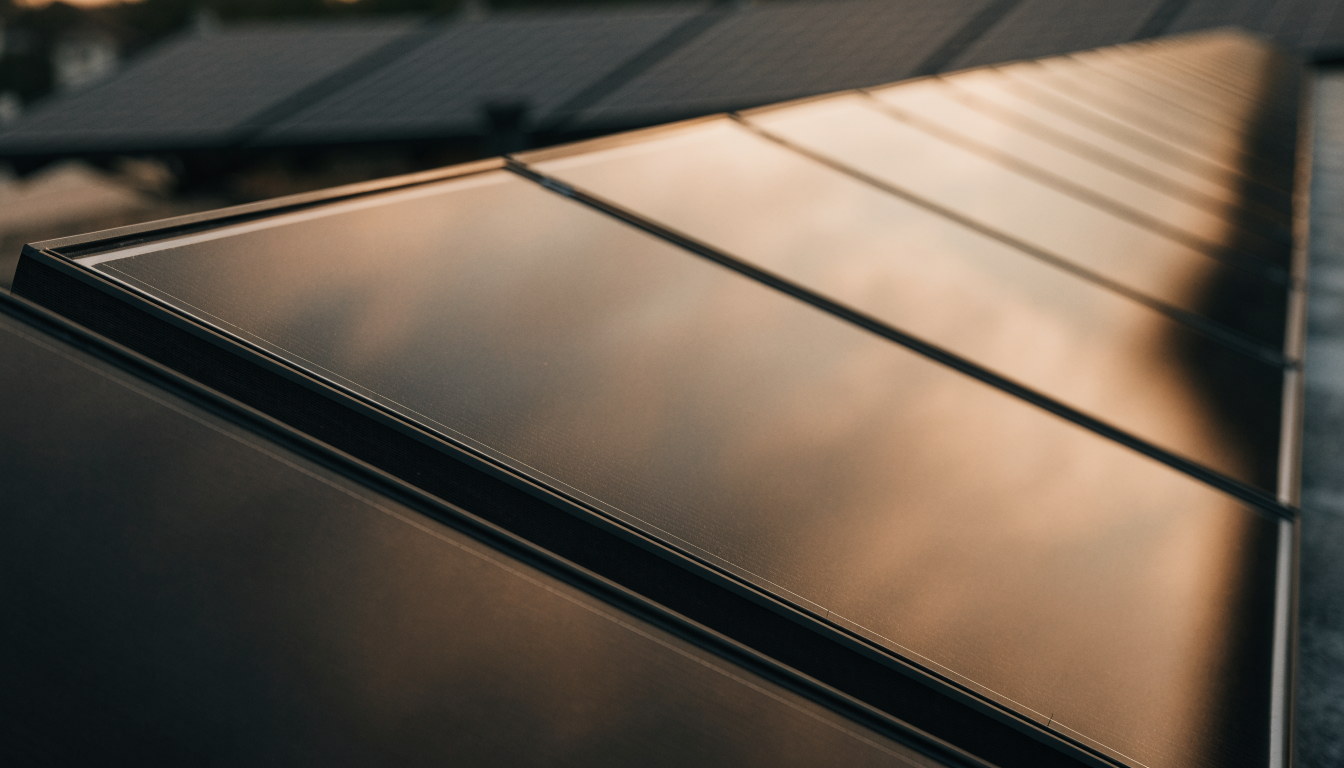
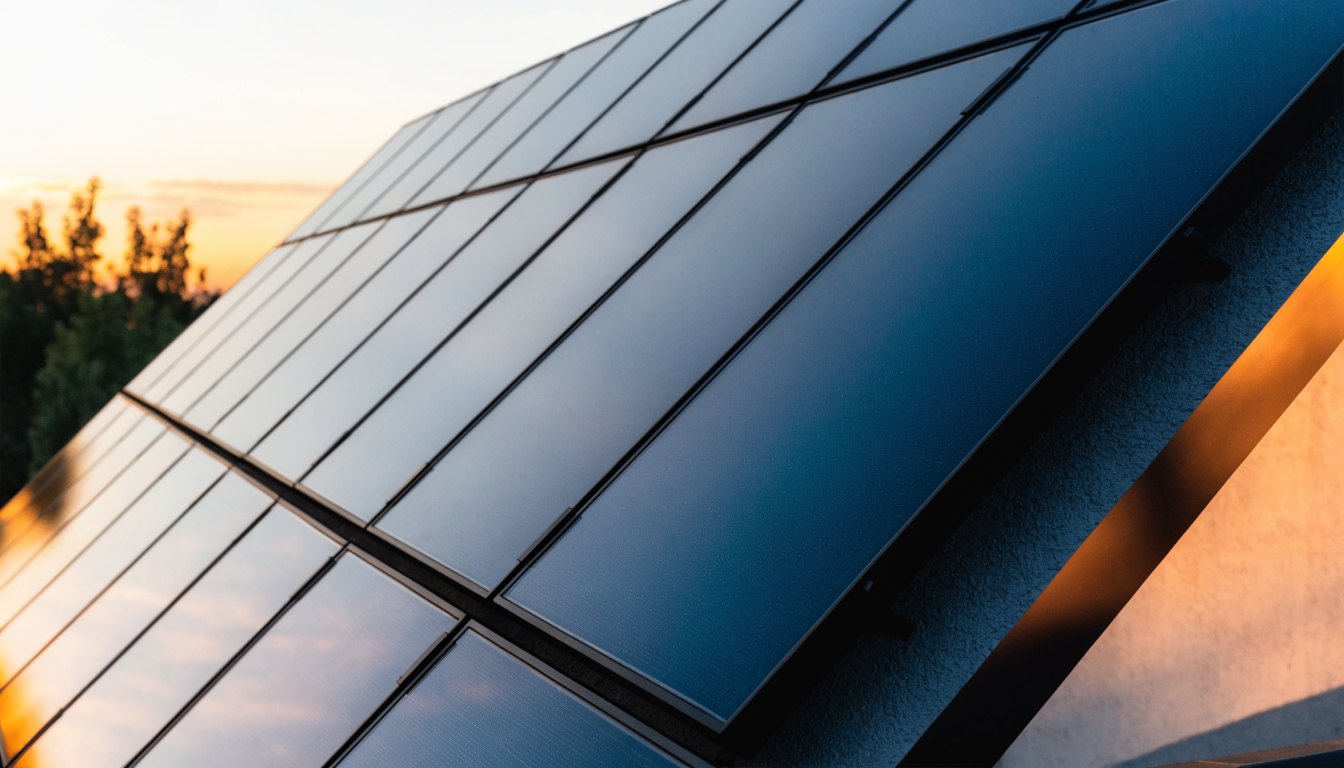
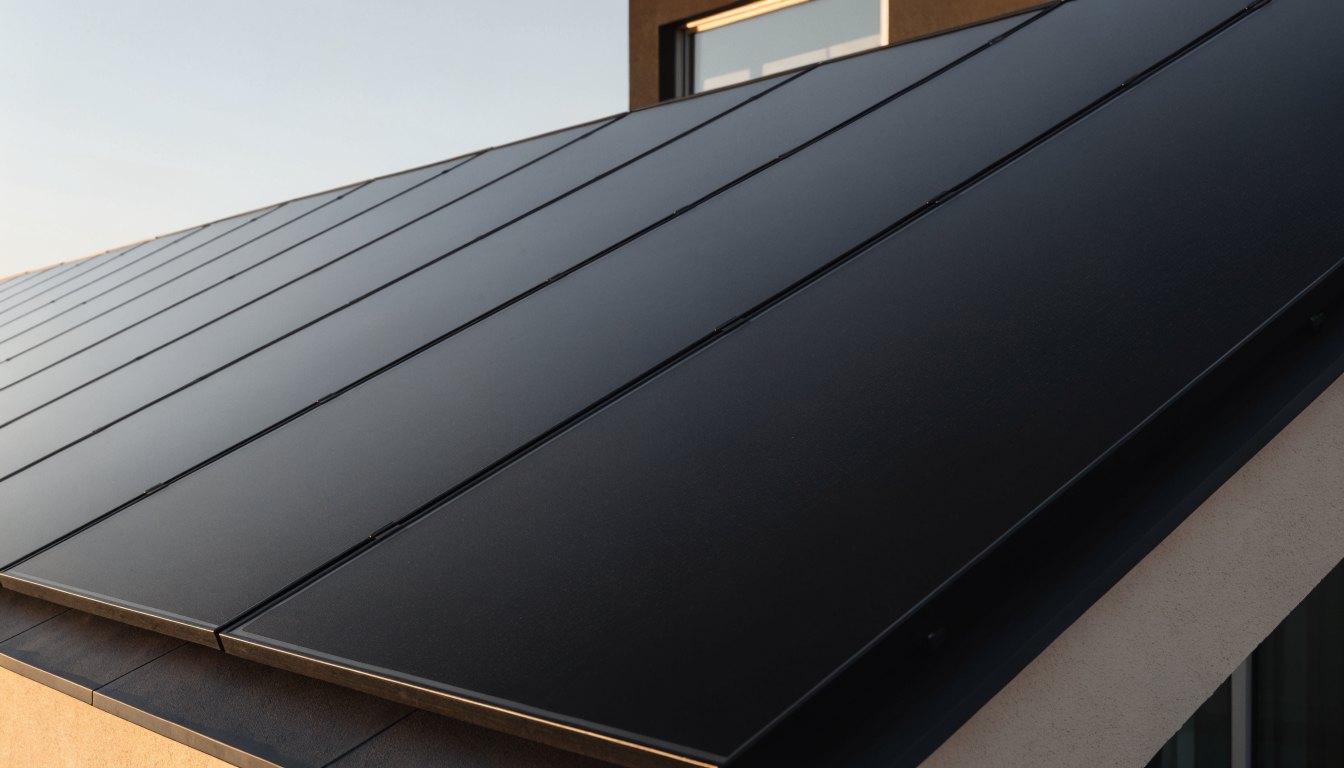
More electricity from your available space, even when real-world conditions are not perfect. SunCore™ is the dependable everyday choice; SunCrown™ is engineered for maximum output; SunCrown Black™ pairs the same technology with a refined all-black finish for premium properties.
Reliable power for everyday energy savings. LEWIS SunCore™ is our high-output solar panel range for homes, businesses and larger commercial installations. Available from 570 W to 650 W, each panel uses advanced N-Type TOPCon cell technology to capture more sunlight, generate efficiently throughout the day and maintain dependable performance over the long term. Selected for hot, sunny environments, SunCore™ delivers reliable electricity, reduced energy costs and excellent lifetime value.
570–650 W·N-Type TOPCon
High output · long-term value
☀More energy throughout the dayAdvanced cell technology and high-transmission glass help capture more sunlight during mornings, cloudy periods and late afternoons.
◇Reliable long-term performanceLow degradation, strong heat performance and durable construction support dependable electricity generation year after year.
More electricity from the space you already have – even when sunlight is partly interrupted. LEWIS SunCrown™ is our flagship high-efficiency solar panel range for customers seeking stronger daily generation, better use of available space and improved performance under partial shading. Advanced N-Type ABC back-contact technology places the electrical contacts behind the solar cells, leaving more of the front surface available to capture sunlight. Cell-level shade optimisation helps the unaffected areas continue generating when trees, leaves, dust, chimneys or nearby structures shade part of the panel.
650–685 W·up to 25.4%
Power · efficiency
◱Partial-shading optimisationHelps limit power loss and maintain stronger generation when only part of the panel is shaded.
⇄Bifacial energy generationDual-glass technology captures direct sunlight from the front and reflected light from behind for increased overall energy production.
Premium design with intelligent energy performance. LEWIS SunCrown Black™ is our high-efficiency all-black solar panel range for modern homes, villas and premium commercial properties. Advanced N-Type ABC back-contact technology moves the electrical contacts behind the solar cells, creating a clean, grid-free front surface with more area available to capture sunlight. Partial-shading optimisation helps reduce generation loss when trees, leaves, dust or nearby structures shade part of the panel, while durable dual-glass construction supports dependable long-term performance.
515–540 W·up to 24.4%
Power · efficiency
◱Partial-shading optimisationHelps maintain stronger output when only part of the panel is affected by shade.
◈Pure-black, grid-free designAdvanced back-contact cells provide a clean, uniform appearance without visible front-side metal grid lines.
Small shadows. Smaller energy loss.More usable solar power.
How Lewis SunCrown™ and SunCrown Black™ use N-Type ABC back-contact technology to manage localised shade and help more of the unshaded panel continue generating.
Why this matters
Real rooftops are rarely perfect.
Trees, chimneys, leaves, dust and bird droppings can temporarily shade a small part of a panel. A small shadow will still reduce output, but advanced cell-level optimisation can keep the effect more localised.
Localise
Reduce disproportionate loss from small, localised shadows.
Continue
Help more of the unshaded panel continue generating.
Protect
Limit excessive cell temperature under localised shade.
The real-world challenge
Shade is small. Its electrical impact may not be.
Solar modules are built from electrically connected cells. Depending on the module architecture and the position of the shade, one local obstruction can reduce output from a wider electrical section.
Trees and nearby structures
Moving shadows can cross different cells throughout the day.
Chimneys and roof furniture
Fixed obstacles may create repeatable shade patterns.
Leaves and bird droppings
Small obstructions can fully cover a local cell area.
Dust and uneven soiling
Patchy contamination can reduce light reaching selected cells.
How the technology works
Keep the effect more localised.
SunCrown™ technology is designed so that a small shaded area does not cause unnecessary loss across a much larger part of the module. The comparison below is illustrative, not an electrical simulation.
Conventional module
Affected sectionGenerating
A wider electrical section may be affected
Wider section: reduced or bypassed. Exact effect varies with module design and shade position.
SunCrown™ technology
Affected sectionGenerating
Shade impact kept more localised
More of the unshaded panel continues. Localised shade still reduces output; it is not eliminated.
Customer meaning
1
Shade reaches one local area.
2
The affected cell contributes less power.
3
Optimisation limits unnecessary wider loss.
4
More unshaded area can keep generating.
Important
This visual explains the principle in simple terms. Actual electrical behaviour depends on the exact panel architecture, shade location, shade size, duration, irradiance, temperature and inverter operating point.
Controlled comparison evidence
One cell fully shaded. A defined laboratory comparison.
A manufacturer-published summary of a TÜV Nord comparison reports that, with one solar cell fully shaded, the tested ABC module generated up to 30% more module power than the referenced conventional technology under the defined test conditions.
Reported controlled-test result
up to 30% more module power
with one solar cell fully shaded, versus the referenced conventional technology, under the defined test conditions.
Test condition
One solar cell fully shaded in a controlled comparison.
Measured outcome
Module power under the defined test condition.
Practical meaning
Small local shade can cause less disproportionate loss.
Not a guarantee
It is not a promise of 30% more annual energy on every roof.
Evidence source
Manufacturer-published summary of a TÜV Nord single-cell shading comparison. View source →
Actual energy generation varies with the selected module, shade size, shade position, shade intensity, duration, system design, irradiance, temperature, maintenance and weather. The controlled result supports the technology principle; it does not replace site-specific design or yield modelling.
Application and responsible use
Designed for real rooftops – not a substitute for good design.
A shaded cell can become hotter than surrounding cells. The ABC platform includes high-temperature restriction designed to limit excessive hotspot temperatures, helping reduce thermal stress and support safer, more dependable operation.
Which Lewis panels include this feature?
–
SunCore™
N-Type TOPCon
Standard bypass-diode protection. No specialised cell-level partial-shading optimisation.
✓
SunCrown™
N-Type ABC back-contact
Cell-level partial-shading optimisation and high-temperature restriction.
✓
SunCrown Black™
Premium all-black N-Type ABC
Cell-level partial-shading optimisation and high-temperature restriction.
Best-practice design and maintenance
1
Assess shade first
Model recurring shade from trees, chimneys and nearby structures before finalising the array.
2
Optimise the layout
Keep permanently shaded areas away from modules where possible; select suitable string and inverter design.
3
Maintain the surface
Remove leaves, heavy dust and bird droppings safely and at appropriate intervals.
4
Use the datasheet
Confirm the exact model, ratings, warranty, installation limits and certification before purchase.
Document status and limitations. This is a Lewis-branded customer information overview, not an independent Lewis laboratory report. Comparative results are based on manufacturer-published and third-party test information. Refer to the applicable product datasheet, warranty and certification for complete technical details. Technical sources: TÜV Nord shading comparison summary | Manufacturer product pages and resources centre.
N-TYPE
Engineered in
Why SunCrown technologygoes further.
☀
More power from available space
Back-contact cell technology removes front-side metal grid lines, leaving more active surface available to capture sunlight. This supports higher panel efficiency and more installed power within a limited roof or project area.
◱
Better output under partial shade
Cell-level partial-shading optimisation helps limit power loss when leaves, dust, bird droppings or nearby objects shade a small part of the panel. In a controlled TÜV Nord test with one cell fully shaded, both SunCrown™ modules generated up to 30% more power than the reference TOPCon module.*
♨
Stronger performance in hot weather
A power temperature coefficient of −0.26%/°C helps the panel retain more of its rated output as cell temperature rises – particularly valuable on exposed roofs and in hot, sunny conditions.
⬡
Lower hotspot temperatures under localised shade
High-temperature restriction is designed to limit excessive cell temperatures when part of the panel is shaded, helping reduce thermal stress and support safer, more dependable long-term operation.
◇
Improved resistance to hidden cell damage
Copper-based interconnection avoids high-temperature firing and creates strong copper-to-copper connections. This improves resistance to mechanical stress and micro-cracks that can gradually reduce energy output.
✓
Strong long-term energy retention
Designed for low degradation, with no more than 1% output reduction in the first year and no more than 0.35% annually from years 2–30. Guaranteed performance remains at least 88.85% at year 30, subject to the applicable product datasheet and warranty terms.
*Based on a controlled TÜV Nord comparison with one solar cell fully shaded. Actual energy performance varies according to panel model, shade size, shade position, duration, installation design, temperature and weather conditions. Refer to the applicable datasheet and warranty documentation for complete technical details.
Specifications
Three panels,side by side.
Headline specifications for the Lewis solar panel family. Final electrical, mechanical, warranty and certification details are provided in the datasheet for each selected model.
Swipe for all series →
SunCore™N-Type TOPCon
SunCrown™N-Type ABC back-contact
SunCrown Black™N-Type ABC back-contact
Cell technology
N-Type TOPCon
N-Type ABC back-contact
N-Type ABC back-contact
Power output
570–650 W
650–685 W
515–540 W
Module efficiency
Model dependent; up to 23.25% on selected 625–650 W models
Up to 25.4%
Up to 24.4%
Partial-shading performance
Standard bypass-diode protection; no specialised cell-level optimisation
Cell-level partial-shading optimisation
Cell-level partial-shading optimisation
Rear-side generation
Yes – on 625–650 W dual-glass models, 80% ±5% bifacial factor
Rear-side output rated under bifacial nameplate irradiance
Rear-side contribution rated; actual gain depends on installation
Construction
Anti-reflective glass; mono-glass or dual-glass according to model
Dual glass, anodised aluminium frame and IP68 junction box
Dual glass, black anodised aluminium frame and IP68 junction box
Appearance
Standard dark module with visible front-side contacts
Clean, grid-free front surface
Premium all-black, grid-free front surface
Power temperature coefficient
Model dependent; selected 625–650 W model: −0.29%/°C
−0.26%/°C
−0.26%/°C
Performance degradation
According to the selected model and datasheet
≤1% first year; ≤0.35% annually in years 2–30; ≥88.85% at year 30
≤1% first year; ≤0.35% annually in years 2–30; ≥88.85% at year 30
Product warranty
According to the selected model
15 years
25 years
Performance warranty
Up to 30 years, according to the selected model
30 years
30 years
Certification
IEC 61215 and IEC 61730; fire classification according to model
IEC 61215, IEC 61730 and IEC Class A fire rating
IEC 61215, IEC 61730 and IEC Class A fire rating
iSpecifications vary by model and market availability. SunCore™ covers multiple N-Type TOPCon module configurations within the 570–650 W range; final efficiency, construction, temperature coefficient, degradation, warranty and certification details must follow the selected model datasheet. Rear-side energy gain depends on mounting design, surface reflectivity, tilt, shading and site conditions.
Downloads
Datasheets& technical documents.
Explore the detailed electrical, mechanical, performance and warranty information for each Lewis solar panel range.
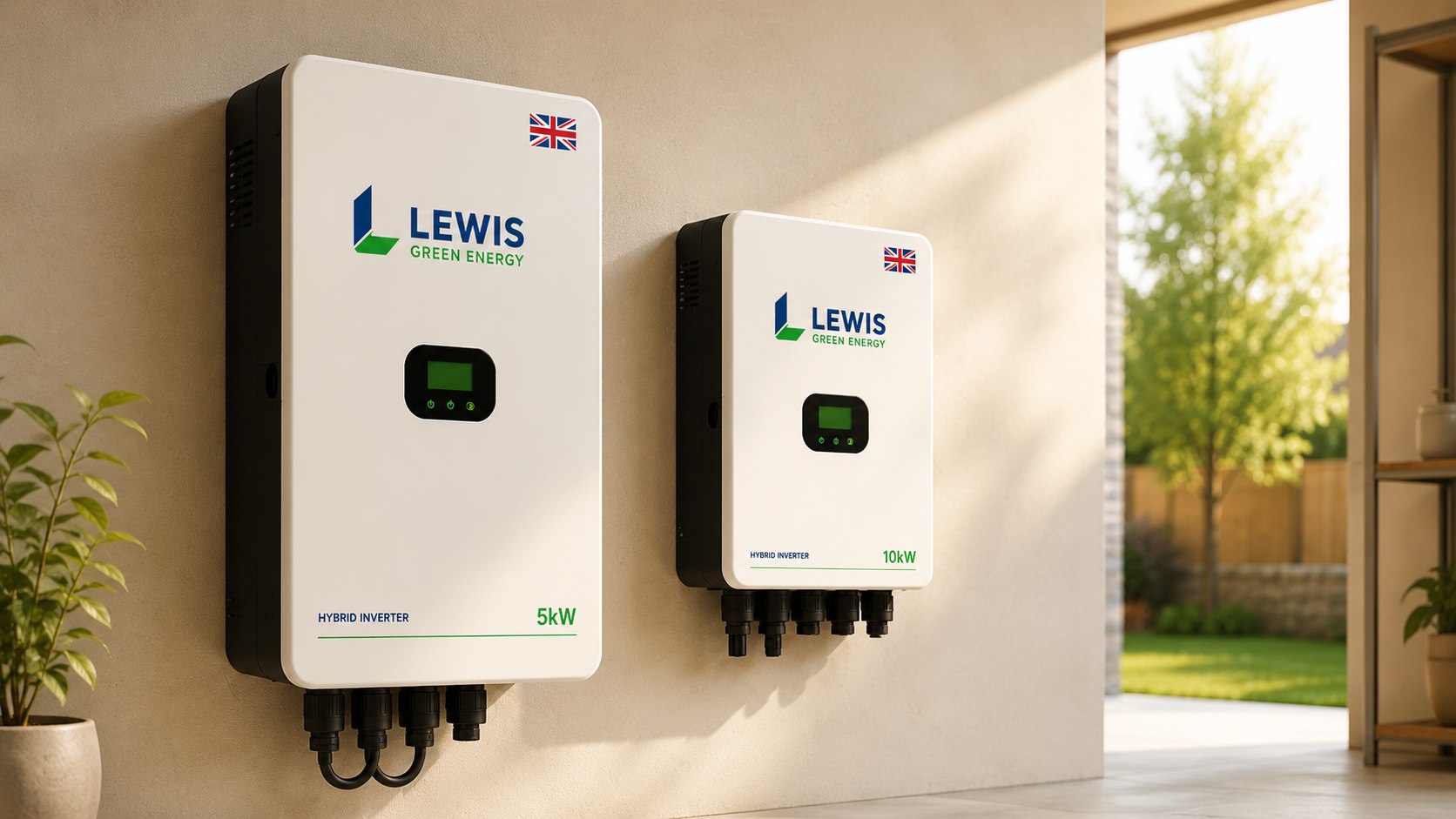
Panels, inverter, battery, professional installation and one year of complimentary maintenance support – all specified, supplied and supported by one accountable Lewis team under a single quotation. Choose the Standard or Premium package to suit your energy needs.
The right solar system starts with the right assessment.
Book a complimentary, no-pressure solar site assessment. Our team will review your roof space, shading, electricity usage and backup requirements, then recommend the right panel, system size and package for your property.